
Views: 0 Author: Site Editor Publish Time: 2026-08-04 Origin: Site


Key Takeaways: Bagasse plates are not a one-size-fits-all product for wholesale buyers. A 6 inch plate may work for cake, snacks and samples, while 9 inch and 10 inch bagasse plates are better for meals, catering lines and event service. Shape also matters: round plates suit general foodservice, square plates support modern presentation, oval plates give more room for grilled foods or shared dishes, and compartment plates help separate sauces, sides and main dishes. For distributors, the right buying decision should consider food weight, oil and moisture level, packing quantity, certification needs, color preference, logo or private-label packaging, and container loading efficiency. Sumkoka provides a full bagasse plate range with white and natural options, customization support, PFAS-free options upon request, and wholesale-focused order planning.
Table of Contents

Bagasse plates are disposable plates made from sugarcane fiber, the fibrous material left after sugarcane juice is extracted. Instead of relying on conventional plastic or foam, bagasse plates use molded plant fiber to create sturdy foodservice tableware for meals, desserts, events, catering and takeaway service.
For wholesale buyers, the main value of bagasse plates is not only the environmental story. The product must also handle real food. A plate may be used for hot rice, oily barbecue, wet salads, cake, fried snacks, sauces, catering trays or supermarket deli service. That means strength, rim design, surface performance, nesting, packing and carton efficiency all matter.
Sumkoka's bagasse plates are made from sugarcane and are available in multiple shapes and sizes, including round plates, square plates, oval plates, rectangular plates and compartment plates. This makes the category suitable for distributors and foodservice buyers who want to build a broader compostable tableware line rather than stock only one basic disposable plate.
Add compostable sugarcane plates for foodservice and retail buyers.
Wholesale buyers usually switch to bagasse plates for a mix of market, brand and operational reasons.
1. Many foodservice brands want an alternative to foam or conventional plastic disposable plates. Restaurants, hotels, catering companies and event organizers are under pressure to reduce plastic-heavy packaging, especially when customers can see the tableware directly. A plate is part of the dining experience. If the plate looks cheap or does not match the brand's sustainability message, the customer notices.
2. Bagasse plates offer a practical molded fiber option for both hot and cold foods. Sumkoka's sugarcane biodegradable plates are positioned for hot and cold food and are described as microwave-safe and freezer-safe. For buyers, this is important because plates may move between storage, food prep, serving, reheating and cleanup environments.
3. Bagasse plates can help distributors build a complete product line. A packaging distributor may already sell clamshell containers, bowls, trays, cups and cutlery. Adding bagasse plates creates more account value because restaurant and catering buyers often prefer to source matching tableware from one supplier. When the plate range includes round, square, oval and compartment options, the distributor can serve more menu types without pushing every customer into the same item.
4. Compostability and certification have become more important in B2B procurement. Buyers who need BPI certified compostable plates or EN13432-related documentation should confirm the exact product and certification scope before placing an order. Sumkoka has BRC, FDA, SGS, BPI and EN13432 certificates, and buyers can discuss the documentation required for their destination market.

Plate size is one of the first decisions in wholesale purchasing. A buyer may search for bulk disposable plates or biodegradable plates wholesale, but the real question is usually: what size works for my customer’s food?
6 inch bagasse plates are small plates for light portions. They work well for cake, dessert, bread, fruit, appetizers, tasting samples and snack service. Foodservice buyers may use them for coffee shops, bakeries, hotel breakfast areas, party packs and events where guests hold small portions while standing.
For distributors, 6 inch plates are useful because they are easy to sell into multiple channels. They are not limited to restaurants. Retail party supplies, catering kits, office pantry programs and dessert brands may also use them.
7 inch plates sit between dessert plates and full meal plates. They can be used for pastries, sandwiches, small salads, breakfast portions, side dishes and children's meals. If a customer thinks 6 inch plates are too small but does not need a full dinner plate, 7 inch sugarcane plates can be a good middle option.
This size is often useful for cafés, bakeries, quick-service restaurants, convenience food counters and event snack stations. It can also help buyers reduce over-specification. If the food portion is small, a 9 inch or 10 inch plate may look empty and increase cost unnecessarily.
9 inch bagasse plates are one of the most versatile choices for meals. They can handle rice dishes, pasta, salads, grilled foods, breakfast meals, buffet portions and casual dining plates. For many restaurants and caterers, 9 inch plates are the standard size for single-portion meals.
This size is important for wholesale buyers because it usually has stronger repeat demand. If a distributor wants to introduce compostable plates to foodservice accounts, 9 inch round plates are often easier to sell than niche shapes because buyers already understand how they fit into daily service.
10 inch bagasse plates are better for larger meals, catering service, barbecue, buffet lines and dishes with multiple sides. They give more surface area for proteins, rice, vegetables, sauces and garnish without overcrowding the plate.
For catering and event buyers, 10 inch plates can improve presentation and reduce spills because food has more room. For distributors, they are a strong option for customers who serve heavier meals or need plates for weddings, corporate events, hotel buffets and outdoor dining.

Size is only one part of the plate decision. Shape affects presentation, menu fit, packing and customer perception.
Round plates are the most familiar and flexible option. Sumkoka provides 6 inch, 7 inch, 9 inch and 10 inch round sugarcane biodegradable plates. These are suitable for general foodservice, parties, catering, restaurants and retail disposable plate programs.
Round plates are usually the best starting point for a distributor because they match existing customer habits. Restaurants that already use disposable plates can switch to round bagasse plates without changing serving style.
Square plates are often selected when presentation matters. Sumkoka provides square compostable bagasse plates in sizes such as 6 inch, 8 inch and 10 inch. They are useful for weddings, dessert service, fruit plates, modern catering, private events and retail partyware lines.
Square plates can make a compostable tableware line feel more premium. They also give buyers an option beyond the standard round disposable plate, which can help distributors differentiate their catalog.
Oval plates are useful when food is longer, wider or arranged in a shared format. Sumkoka provides oval sugarcane compostable plates, including 10 inch and 12 inch options. These can work for grilled foods, seafood, barbecue, roasted vegetables, banquet service, party platters and catering programs.
For buyers serving heavier or more visually arranged dishes, oval plates may offer better space than round plates of a similar width.
Rectangular plates are suitable for appetizers, sushi, desserts, fruit, sampling, deli counters and snack service. Sumkoka also provides rectangular sugarcane bagasse plates and dishes in several formats. These items can support supermarket prepared food, bakery displays, tasting menus and hospitality use.
Because some rectangular dishes are smaller and more specialized, buyers should check MOQ, packing and carton details by item.
Compartment plates help separate foods. Sumkoka provides 9 inch and 10 inch 3 compartment round sugarcane pulp disposable plates. These are useful for meals with a main dish and sides, school meals, canteens, buffet lines, catering, meal service and foods that should not mix during serving.
Compartment plates are especially helpful for sauced food, salads with dressing, rice meals, proteins with sides and event meals where guests move around while carrying food.
Ask about MOQ, packing, PFAS-free options and custom branding.
Bagasse plates are commonly available in white or natural color. Both can be useful, but they send a different visual message.
White bagasse plates look clean and familiar. They often fit restaurants, hotels, corporate catering, retail shelves and foodservice buyers who want compostable plates without changing the appearance too much. White plates can also make colorful food stand out clearly.
Natural bagasse plates have a warmer fiber tone. They can support an eco-focused brand image and work well for organic food brands, farm-to-table restaurants, outdoor events, sustainable catering and casual dining concepts.
For wholesale buyers, color choice should be based on the customer channel. A supermarket private-label line may prefer one consistent color across plates, bowls and containers. A restaurant distributor may carry both white and natural options to serve different brand styles.

Food performance is one of the most important buying questions. Buyers do not want a plate that looks sustainable but bends under real food.
Bagasse plates are molded from plant fiber, giving them more rigidity than many thin paper plates. Sumkoka's bagasse plate products are positioned for hot and cold food, and related product descriptions highlight oil and liquid resistance, microwave use and freezer use. This makes them suitable for many common foodservice applications, including rice, pasta, vegetables, meat, snacks, desserts and buffet food.
That said, wholesale buyers should test plates with their actual menu before confirming a large order. A dry pastry, a greasy barbecue meal and a wet curry create different demands. Testing should include food weight, sauce level, holding time, stacking, hand feel, and whether the plate is used for dine-in, delivery, catering or retail display.
If the buyer needs PFAS-free bagasse plates, this should be stated clearly during inquiry. Sumkoka has PFAS-free options upon request. After removing PFAS from molded fiber foodservice items, barrier performance can be improved through product formulation, fiber refining, molding density, heat and pressure control, surface treatment choices and product structure. The practical point for buyers is simple: confirm the required barrier level, ask for samples, and test the plate with the foods it will actually hold.
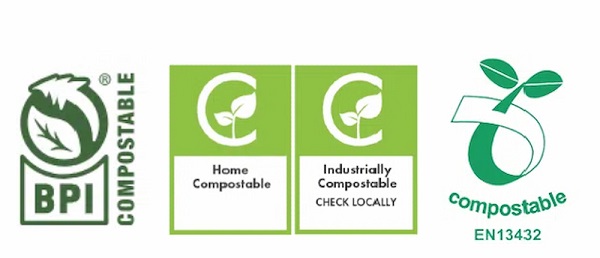
Compostable plates are not only a product description. In many markets, compostability claims should be supported by recognized standards and clear documentation.
BPI explains that its commercial compostability certification verifies whether an item meets ASTM compostability standards, and BPI-certified products are listed in an online catalog for verification. BPI also states that its certification program includes rules on fluorinated chemicals, including no intentionally added fluorinated chemicals and testing requirements.
The U.S. FDA announced in February 2024 that grease-proofing substances containing PFAS were no longer being sold into the U.S. market for use on paper food packaging. This matters for molded fiber foodservice buyers because grease and moisture resistance has historically been an area where PFAS concerns appeared in the wider paper and fiber packaging market.
For buyers, the safest procurement approach is to avoid vague claims. Ask suppliers which certification documents are available for the exact product, whether PFAS-free options are required, and whether the destination market has specific labeling or composting rules.
It is also important to remember that compostable plates should match local composting infrastructure. The U.S. EPA notes that certified commercially compostable foodservice ware should be purchased when a commercial composting program is locally available and accepts the product types being purchased. This is especially relevant for stadiums, campuses, corporate cafeterias and events that operate organized waste collection.
Before placing a wholesale order for bagasse plates, buyers should confirm the following points.
Product size: Choose 6 inch, 7 inch, 9 inch, 10 inch, 12 inch or another size based on food portion and serving style.
Plate shape: Decide whether round, square, oval, rectangular or compartment plates fit the target menu.
Food type: Test the plate with hot, cold, oily, moist, sauced and heavy foods if those are part of the menu.
Color: Select white or natural bagasse plates based on brand image and customer preference.
MOQ: Standard bagasse plate MOQ is commonly 50,000 pcs per item or size, while special styles may differ.
Packing: Confirm pieces per bag, bags per carton, carton dimensions and loading plan.
Certification: Ask for relevant documents such as BPI, EN13432, FDA or other required market documentation when applicable.
PFAS-free need: State PFAS-free requirements clearly during inquiry if your market or customer requires it.
Customization: Confirm logo embossing, printing, private-label packaging, carton marks and retail packing needs.
Samples: Test samples before placing bulk orders, especially for new food types, new sizes or private-label projects.
Container planning: If sourcing multiple items, ask whether plates, bowls, clamshells, trays and cups can be mixed in one container to optimize freight cost.

Bagasse plates are not only a foodservice item. They can also become part of a private-label or retail tableware line.
Sumkoka supports customization options such as logo embossing, printing and custom packaging. For distributors, this makes it possible to create a branded compostable plates line for restaurants, supermarkets, party supply stores or e-commerce channels. For retail brands, custom packaging can help the product communicate size, quantity, compostability claims and usage scenes more clearly on the shelf.
Customization should be planned early. Buyers should prepare the target product list, logo file, package concept, market requirements, barcode needs, carton marks and expected order quantity. If the project uses existing standard molds, it is usually simpler than developing a new shape or exclusive mold. New molds require separate discussion because they involve product design, sampling, testing and production verification.

Sumkoka provides a broad range of bagasse tableware for foodservice and wholesale buyers, including plates, bowls, trays, clamshell containers, food containers, cups and cutlery. For bagasse plates, the range covers common meal sizes and multiple shapes, including round, square, oval, rectangular and compartment designs.
This full product structure helps buyers build a consistent compostable tableware line. A distributor can source sugarcane disposable plates together with bowls, trays and containers. A catering supplier can match plates with clamshells and sauce cups. A retail brand can develop a private-label range across several product categories.
Sumkoka also provides customization support, including logo embossing, printing and custom packaging. Standard bagasse plate MOQ is commonly 50,000 pcs, and buyers can discuss mixed product loading plans, samples and packaging details during inquiry. PFAS-free options are available when required, and certification documentation can be discussed based on the target product and market.
Customize logo, carton marks and retail packaging for your brand.
1. What is the MOQ for wholesale bagasse plates?
Sumkoka's standard MOQ for most regular bagasse tableware is 50,000 pcs per item or size, including plates.
2. Which bagasse plate size is best for restaurants?
For general restaurant meals, 9 inch and 10 inch bagasse plates are usually the most practical choices. 6 inch plates work better for desserts and snacks, while 7 inch plates suit smaller portions, pastries and side dishes. Catering buyers may also consider 10 inch or oval plates for larger meals.
3. Can bagasse plates be customized for private label?
Yes. Sumkoka supports custom logo embossing, printing and custom packaging for bagasse plates. Buyers can discuss private-label packaging, carton marks, retail packing and branding needs when preparing a wholesale order.
4. Are bagasse plates microwave safe?
Sumkoka's sugarcane biodegradable plates are described as microwave-safe and freezer-safe.
5. Are PFAS-free bagasse plates available?
Yes. Sumkoka has PFAS-free options upon request. Buyers who need PFAS-free bagasse plates should state this requirement during inquiry and confirm the required product specifications, testing needs and market documentation before ordering.
Bagasse plates wholesale buying should start with real foodservice needs: size, shape, food type, color, packing, MOQ, certification and customization. A good plate range should cover desserts, meals, catering, events and retail programs without forcing every buyer into one format. Sumkoka provides round, square, oval, rectangular and compartment bagasse plates, with white and natural options, customization support and PFAS-free options upon request. Share your target sizes, market and application to get a practical wholesale recommendation.


