
Views: 0 Author: Site Editor Publish Time: 2025-12-16 Origin: Site


The shift toward sustainability is no longer optional in the food service and packaging industries; it is essential. For buyers seeking eco conscious, high performance disposable solutions, bagasse tableware offers the perfect alignment of environmental responsibility and operational utility. Derived from sugarcane fiber, a byproduct of the sugar refining process, bagasse represents a truly renewable resource. This molded fiber tableware is sturdy, microwave safe, and fully compostable, making it a superior alternative to traditional plastic and foam.
This guide provides a detailed, step by step roadmap for procurement managers, restaurant groups, and distributors on how to efficiently and safely navigate the complexities of bagasse tableware wholesale ordering.
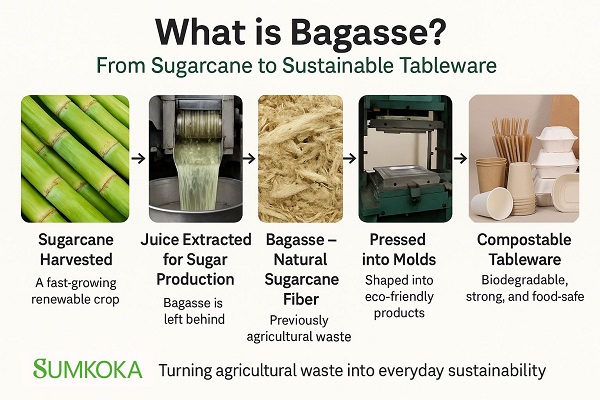
Adopting sugarcane bagasse tableware offers competitive advantages that extend far beyond simple compliance with plastic bans. For businesses operating in food service, catering, or retail, the environmental and functional benefits translate directly into customer satisfaction and brand loyalty.
Many regions are enforcing strict regulations on single use plastics, which means businesses must adopt alternatives that meet recognized environmental and safety standards. Bagasse tableware aligns with major compostability certifications such as the European Union compostable standards and United States compostability requirements. These certifications confirm that the products are made from renewable plant fibers and can break down naturally in industrial composting environments. Choosing certified bagasse tableware reduces regulatory risk and helps companies remain compliant across multiple markets.
Environmental stewardship has become a central part of business strategy. Companies that proactively use compostable tableware demonstrate responsibility toward waste reduction and resource conservation. This directly supports corporate ESG performance and strengthens brand reputation. Consumers and business partners increasingly prefer brands that show commitment to sustainable packaging. Bagasse product allows businesses to communicate these values in a clear and visible way, especially in industries where packaging is used daily.
Traditional plastic packaging contributes to long term pollution and faces growing restrictions worldwide. Bagasse offers a safer and more environmentally responsible alternative. It is made from agricultural by products rather than petroleum based materials, and it decomposes without releasing harmful toxins. At the same time, bagasse plates and bowls provide strong functionality, such as heat resistance, oil resistance, and structural stability. Food service operations can adopt bagasse products without compromising performance or convenience.
Businesses often compare bagasse with PLA and traditional paper pulp when selecting eco friendly packaging. Bagasse typically offers a better balance between cost and durability. PLA products can be more expensive and require specific composting conditions. Paper pulp items sometimes lack the strength and rigidity needed for hot or oily foods. Bagasse tableware provides reliable performance across a wider range of applications while maintaining competitive bulk pricing. Its combination of strength, versatility, and affordability makes it one of the most practical sustainable packaging options available today.
Finally, the bagasse supply chain has become mature over the past decade. Manufacturers can produce large volumes, customize specifications, and offer competitive pricing when ordering in bulk.
Discover the Bagasse Product Catalog!
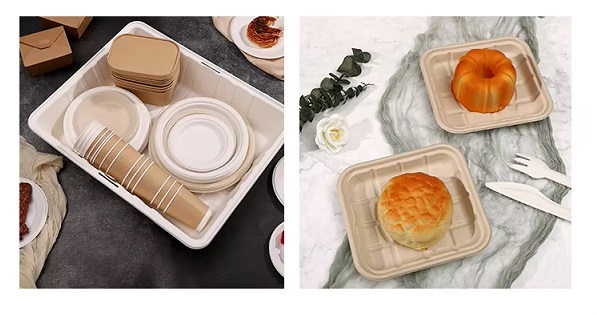
Before initiating any contact with suppliers, a B2B buyer must conduct a rigorous internal assessment to define exact needs. These pre purchase considerations are critical for minimizing waste, controlling costs, and ensuring product suitability.
Before ordering sugarcane bagasse products, buyers should clarify the exact specifications needed. Consider size, shape, capacity, weight, and rim or wall thickness. Different food service models require different performance standards. For example, a takeaway restaurant that serves soups will need thicker bowls, while a bakery may prefer lighter trays. It is also important to understand the heat resistance and oil resistance requirements of each product.
Not all bagasse tableware is the same. Some factories use pure bagasse fiber while others mix various pulp materials. Higher purity fiber usually results in stronger and smoother molded fiber tableware. Buyers should also check for certifications that verify food safety and environmental compliance. Well established factories maintain standards such as ISO9001 and ISO14001. These help ensure consistent quality throughout the production process.
Reliable suppliers are essential for bulk purchasing. Buyers should evaluate production capacity, export experience, and the stability of raw material supply. A supplier with strong OEM and ODM capabilities can develop custom products when needed. Ask whether the factory can accommodate large scale orders, how they manage peak season demand, and how they handle urgent production schedules.
Many businesses want custom embossed logos or unique packaging designs. Some projects also require non standard shapes or divider structures. Understanding whether a factory offers custom molds and how long mold development takes is important. Packaging customization such as printed cartons, labels, and barcodes may also be necessary for retail channels.
Bulk pricing depends on order volume, specifications, mold complexity, and packaging style. Buyers should consider the minimum order quantity and whether sample fees apply. Shipping costs are also a major part of budgeting for bagasse tableware wholesale. Sea freight, air freight, and express freight each have different cost implications. Import taxes and customs fees should be calculated in advance.
Buyers need a clear understanding of trade terms such as FOB, CIF, and DDP. Production times vary depending on whether the items are standard models or customized designs. There may also be differences between peak season and off season delivery times. Businesses with continuous inventory needs should consider setting up a long term supply plan to avoid shortages.
Certification is the single most important factor when purchasing compostable tableware. Misleading or expired certifications can lead to significant legal and environmental liabilities.
1) Compostability Standards: Demand to see valid, current certification documents.
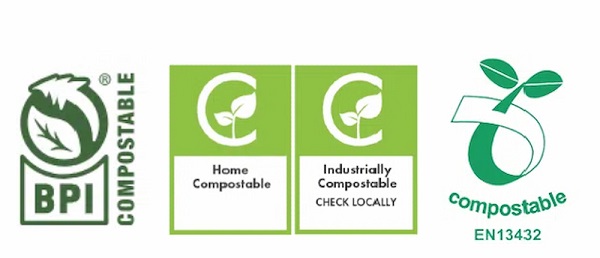
BPI (Biodegradable Products Institute): North American standard (ASTM D6400).
Seedling Logo / TUV Austria: European standard (EN 13432).
2) Food Safety: The products must be certified safe for direct food contact.
FDA (Food and Drug Administration): For the US market.
LFGB: For the German and general European market.
3) Sourcing Audits: If ethical sourcing is a priority, inquire about the supplier's social compliance audits (e.g., SEDEX, BSCI).
Request a Wholesale Consultation HERE!
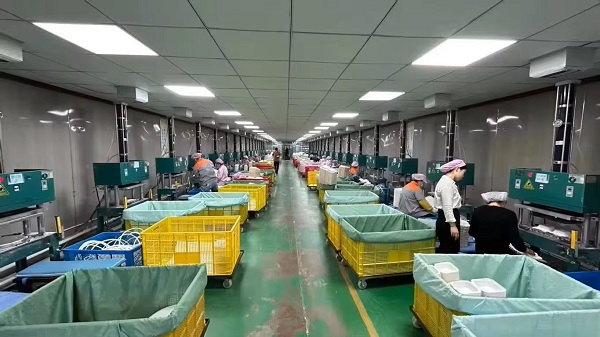
Navigating the B2B supply chain, especially in international procurement, requires a structured approach. Follow these steps to secure high quality sugarcane bagasse products.
Identify how your business will use compostable tableware. For example, a fast food chain may require a full range of plates, bowls, and clamshell containers, while a supermarket might prefer packaging for ready to eat meals. Understanding the purpose helps narrow down suitable product types and specifications.
Compare suppliers based on quality, communication, price transparency, and service. A supplier with clear documents, fast replies, and detailed explanations is usually more reliable. For major, long term contracts, an on site or virtual factory audit is highly recommended to assess production capacity, machinery quality, and adherence to safety standards. Do not rely solely on website photos.
Before placing an order, always request catalogs and samples. Samples allow you to inspect texture, thickness, and overall durability. Conduct simple tests by adding hot or oily food and checking if the product maintains its shape.
Hot Food Test: Serve hot soups, sauces, and oils to check for leakage, weeping, or structural compromise after 30 minutes.
Freezer/Microwave Test: Verify they withstand both extremes without cracking or softening.
Stacking Test: Ensure plates and bowls stack neatly and stably without sticking or jamming, which is crucial for high volume operations.
Verify Certifications (Again): Cross reference the supplier’s certification numbers (BPI, EN 13432) against the certifying body's public database to confirm they are valid and apply to the specific products you received.
Get FREE Bagasse Tableware Sample NOW!
After confirming quality, focus on finalizing the commercial terms. Discuss unit price, payment terms, and lead time. A long term purchase plan can often secure better pricing. Some suppliers offer discounts for higher quantities or repeat orders.
1) Compare All Costs: Do not just compare the Unit Price (UP). Compare the Landed Cost which includes the UP, packaging, quality control fees, freight, customs duties, and local transportation.
2) Incoterms Selection: Agree on the terms of trade (Incoterms).
FOB (Free On Board): Supplier covers costs and risks until the goods are loaded onto the ship at the origin port. This is a common and balanced choice.
DDP (Delivered Duty Paid): Supplier handles all costs, insurance, and duties up to your door. This is the simplest for the buyer but often the most expensive.
3) Payment Terms: Negotiate favorable payment terms. Standard international trade terms are usually 30% down payment (T/T) to start production, and the remaining 70% T/T upon receipt of the Bill of Lading (B/L) copy, which confirms shipment.
Once specifications and pricing are confirmed, sign a purchase contract. For customized products, a pre production sample is usually prepared for final approval. This ensures the mold, structure, and packaging meet expectations before mass production begins.
Preventing quality issues is far cheaper than dealing with returns and re shipments.
1) Pre Shipment Inspection (PSI): This is mandatory for bulk orders. Hire an independent third party inspection company (like SGS or Bureau Veritas) to visit the factory before the container is sealed.
2) AQL Standards: Define your Acceptable Quality Limit (AQL) level. The inspector will check a random sample lot for defects like cracks, incomplete molding, insufficient coating, foreign objects, and incorrect packaging/labeling.
3) Packaging Check: Ensure the goods are packed according to your purchase order—for instance, 50 pieces per sleeve, 500 pieces per carton, with correct master carton markings (labels, barcodes, handling instructions).
Proper documentation is crucial for smooth customs clearance and freight forwarding.
1) Shipping Documents: Ensure the supplier provides a complete and accurate set of documents:
Commercial Invoice
Packing List
Original Bill of Lading (OBL) or Express Release
Certificate of Origin (CO)
Relevant Quality Certifications (BPI, FDA, etc.)
2) Freight Forwarder: Work closely with a reliable freight forwarder who specializes in your trade lane to manage the booking, tracking, and customs clearance process efficiently.
Even experienced buyers can fall victim to procurement mistakes in a new product category like molded fiber tableware.
The cost of certified, high-quality molded fiber tableware is determined by raw material costs, high-pressure molding cycles, and necessary quality control.
Pitfall: Selecting a supplier based solely on the lowest unit price offered.
Solution: Be wary of prices significantly below the market average. Extremely low prices usually signal low quality fiber, insufficient mold pressure, or weak production management. This can result in products that are thin, structurally weak, prone to leakage, or contain visible molding defects, ultimately damaging your brand reputation and leading to high product wastage.
Some unscrupulous suppliers display logos without holding valid or current certifications for the specific product being sold. Without proper documentation, imports can be delayed or rejected.
Pitfall: Accepting a copy of an old, expired, or non product specific BPI certificate.
Solution: Always verify the certificate number directly with the issuing body's database. If the product is customized or a new item, ensure the supplier confirms it is covered by their existing certification scope or is in the process of being certified.
International shipping delays, customs backlogs, and seasonal production peaks (like Chinese New Year) are common.
Pitfall: Placing an order only 6 weeks before you run out of stock.
Solution: Plan for a minimum 12 week buffer between placing the bulk order and the required delivery date. Implement a VMI (Vendor Managed Inventory) program or maintain a 2 to 3 month safety stock.
1. What is the main difference between bagasse and paper tableware?
A: Bagasse is made from sugarcane fiber (a waste byproduct), making it exceptionally rigid and naturally water and oil resistant without heavy chemical coatings. Paper is made from wood pulp and generally requires more extensive chemical processing and coatings to achieve similar grease resistance. Bagasse is typically seen as the more durable and sustainable option.
Q: Do bagasse products have a shelf life?
A: Yes, but not in the way food does. While they won't spoil, their performance can degrade if stored improperly. If kept in dry, stable conditions, bagasse products can typically maintain their quality for at least two to three years. High humidity is the primary enemy.
Ordering bagasse tableware in bulk becomes much easier when you understand the material, evaluate suppliers carefully, and plan your production schedule in advance. Sugarcane bagasse tableware offers a strong combination of sustainability, durability, and attractive appearance, making it a smart choice for modern food service operations. By following the steps and considerations outlined in this guide, businesses can secure reliable long term supply, maintain product quality, and support environmental goals at the same time. If you approach procurement strategically, you will gain consistent results and lasting value from your partnership with the right supplier.
At Sumkoka, we specialize in manufacturing and supplying high quality sugarcane bagasse tableware for global B2B buyers.
With a full range of bagasse plates, bowls, clamshell containers, and molded fiber food packaging, we help businesses replace plastic with certified compostable alternatives. Our products are designed for durability, food safety, and consistent performance across food service, retail, and takeaway applications. Backed by advanced production facilities, strict quality control, and flexible OEM and ODM capabilities, Sumkoka supports bulk orders, custom branding, and stable long term supply.
Contact Sumkoka today to discuss your requirements and receive a tailored solution for your sustainable packaging needs.


